
⚡ Input is Output - Issue #2
Novel research ideas, food waste pizza, office beers, the new black...

Hello, hello,
Firstly, thank you for the “Likes”, comments and all-round positivity for the first issue. The dopamine hits continued throughout the week and encouraged me to dig deeper and share more with you.
It seems it has been a busy week in the world of technology and creativity, and I’ve been reflecting on how much input continues to shape the output I’ll share here.
One of the reasons I started Input is Output, was driven by the belief that sharing ideas openly leads to greater insights and growth - not only for me but for everyone engaging with the content.
In the same way, feedback and collaboration can spark new perspectives, Input is Output is designed to be an ongoing, evolving conversation where fresh insights emerge from shared knowledge. Therefore, any feedback you can provide would be greatly appreciated.
Right, with that out the way, I’m excited to share what caught my eye over the last week. From breakthrough tech to game-changing concepts in design and sustainability, here’s a roundup that will hopefully get your creative gears turning.
Let’s get on with the show:
⚡ Can Large Language Models (LLMs) generate novel research ideas?
As LLMs like GPT continue to evolve, there's growing curiosity about whether these AI models can truly generate novel research ideas or rearrange existing knowledge.
A paper titled "Can LLMs Generate Novel Research Ideas?" explores this question. The findings suggest that while LLMs can assist with brainstorming and expanding on existing concepts, their ability to generate “truly” novel research ideas remains limited. This raises important questions about the role of human intuition and creativity, and how AI can complement rather than replace the process of innovation.
OpenAI's introduction of the “Strawberry” series, including the o1 and o1-mini models, may change this given they have been designed for improved problem-solving and better reasoning capabilities. Here is an example of just that…

I feel this is a great reminder that while AI can be a powerful tool for ideation, the human touch is still critical when pushing boundaries and creating something entirely new.
⚡ Lidl’s Zero-Waste Initiative: Turning food waste into pizza
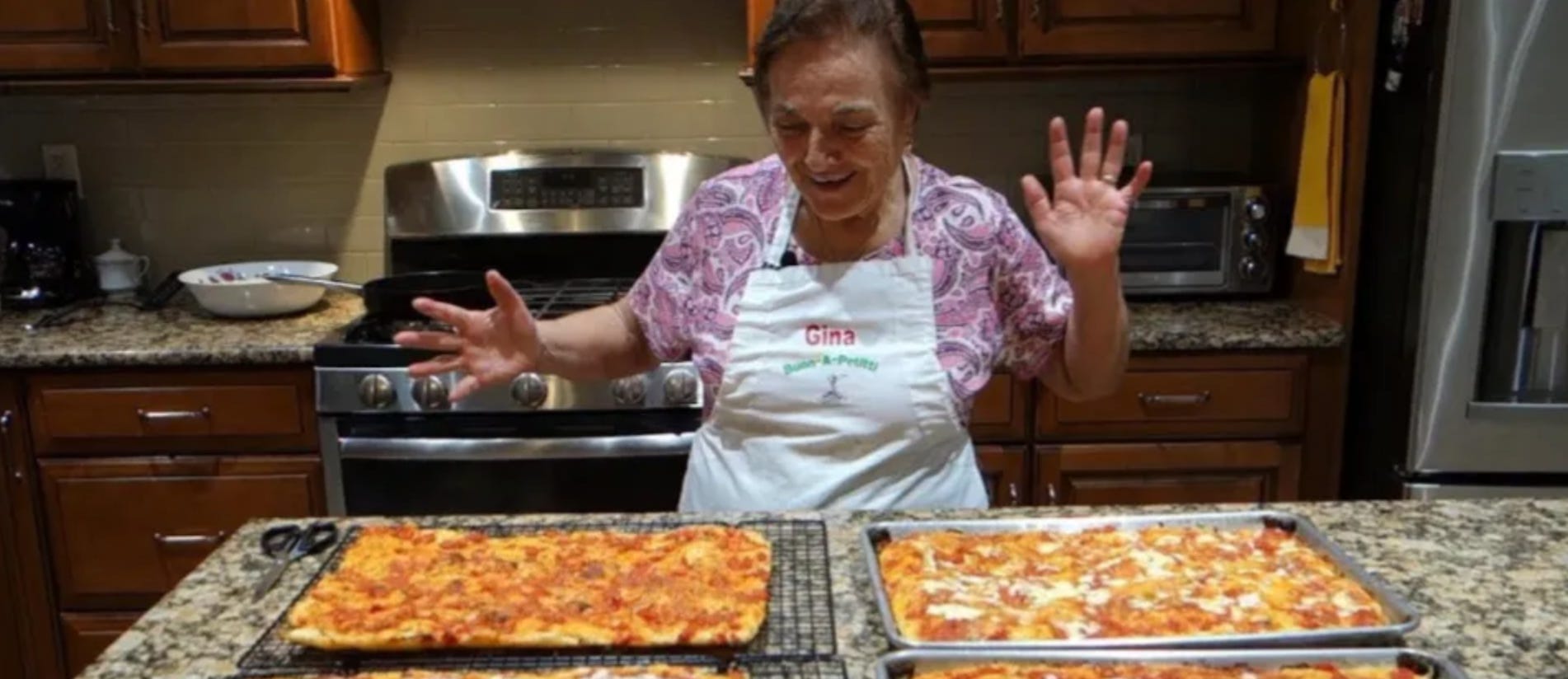
Lidl has rolled out an initiative that’s both clever and delicious - who doesn’t love pizza? The supermarket giant is taking unsold produce and turning it into pizza, tackling food waste while offering customers a new product. This initiative not only helps reduce waste but also shows how businesses can think outside the (pizza) box when it comes to sustainability efforts.
It’s a great example of how innovative thinking can solve pressing problems, like food waste, while still creating value for customers. More importantly, it highlights the growing consumer demand for sustainable practices, something that brands can’t afford to ignore.
To understand how they did it, take a look here.
⚡ Pantone Dualities: Exploring the depths of colour

Let’s be honest do we need another colour palette? Pantone's latest collection, “Dualities”, delves into the complexity of blacks, greys, and other neutral tones.
According to the press release, this collection reflects how even the most understated colours can convey depth and emotion. Whilst the language is quite pretentious, I think it speaks to the idea that nuance and subtlety are becoming more valued in a world often obsessed with the bold and overt.
Design trends often mirror broader cultural shifts, and I think Pantone is embracing that with Dualities.
I’m pleased to say I have a new favourite colour, Solemnity.

⚡ Synthetic Users

Synthetic Users, an AI-powered tool to simulate realistic user behaviour, to allow businesses to test and refine products, interfaces, and experiences more efficiently.
The tool has been around for a while and I’ve experimented with it in the past. What I found this week piqued my interest further around the tool. They now have a section of peer reviewed papers on supporting the use of Synthetic Users. This starts to move the needle in terms of credibility and illustrates this process fosters innovation while maintaining academic integrity.
⚡ Office Beers: Creative Juice

Creative Juice, a project from the Office of Overview have created a desk beer designed to help you navigate creative block.
We’ve all been there, creative block can be pretty frustrating, but research shows that a little alcohol in the system boosts creativity. A study by Professor Andrew Jarosz of Mississippi State University found tipsy people solved creative problems better, and surprisingly – faster.
Creative Juice is a great example of how rethinking design can refresh both the visual experience and the creative process. I love the boldness and playfulness of the design and the idea of being encouraged to drink at work.
As I wrote last week, I want to try different things here so on that note I thought I’d share some of the things I’ve been enjoying on a more personal level.
What I’ve been…
📺 Watching: All-In Summit 2024
Expect ‘Liquid content’ to be a new buzzword
📚 Reading: Mustafa Suleyman - The Coming Wave
An excellent broad view of the coming technological revolution
🎧 Listening: Fred Again - Ten Days
I’d give it a 7/10, mainly due to the collaborations
📷 Trying: Processing
I’m not usually a filter fan, but I’ve enjoyed creating my own
☕ Ordering: Coffee Advent Calendar
OK, pre-ordering, but this is brilliant!
Also, a bit more left field but I love this open letter by the new Starbucks CEO, Brian Niccol. “Get the morning right, every morning” Nailed it! Note the lack of buzzwords too.
That wraps up the second edition of Input is Output. Whether AI assisting with research, the rich depths of colour in design, or creative takes on sustainability, I hope these examples show that innovation is happening all around us.
As always, I’d love to hear what’s caught your attention in the past week or if there is something you think should be featured in the next edition.
Until next time,
James